
TripBuddy Guide
Milan is the city break most travelers get wrong. They treat it like Rome — a monument checklist to be completed — when it’s actually a city to be in: neighborhoods to linger in, long lunches, an evening aperitivo that turns into dinner. The result of the checklist approach is predictable: a frantic three days, a blur of tram rides between sights, and the strange feeling of having “done” Milan without ever feeling like you were there.
Three days is genuinely enough for Milan — it may even be the ideal length. But only if you build the trip around pacing instead of volume. This is a framework for structuring three days so you come home rested instead of wrecked.
Sign up for monthly travel guides
The short answer: the 3-day pacing framework
Here’s the whole approach in five rules:
- Two headline sights per day, maximum. One in the morning, one in the afternoon, with a real lunch break between them. Everything else is bonus.
- Book the things that genuinely sell out before you fly. In Milan, that’s mainly one sight: The Last Supper (details below). Nearly everything else can be decided day-of.
- Treat arrival and departure as half-days. Don’t put your headliner on either one — flights slip, bags take time, and you’ll enjoy a wandering afternoon far more than a sprinted one.
- Cluster by neighborhood. Milan’s center is compact, but back-and-forth tram rides eat the day. Do the Duomo area in one block, Brera and the Last Supper in another.
- Leave one half-day unplanned. Milan rewards drifting — a design shop in Brera, a second espresso, the courtyard of a church you wandered into. The unplanned half-day is usually the one you remember.
Book these before you fly (it’s a shorter list than you think)
Let’s get the anxiety-inducing part out of the way. Milan is not like Paris or Rome, where half the sights need weeks-ahead tickets. There’s really one booking that matters:
The Last Supper (Cenacolo Vinciano). Leonardo’s mural is the one Milan sight with genuinely scarce access — small timed groups, and tickets routinely sell out weeks or even months ahead, especially for weekends. This is the one thing to book the moment your dates are firm, through the official booking channel. If official slots are gone, reputable guided tours sometimes have availability at a markup. Our judgment: a markup tour is better than missing the mural entirely if seeing it matters to you — but never buy “skip the line” tickets from a stranger on the street.
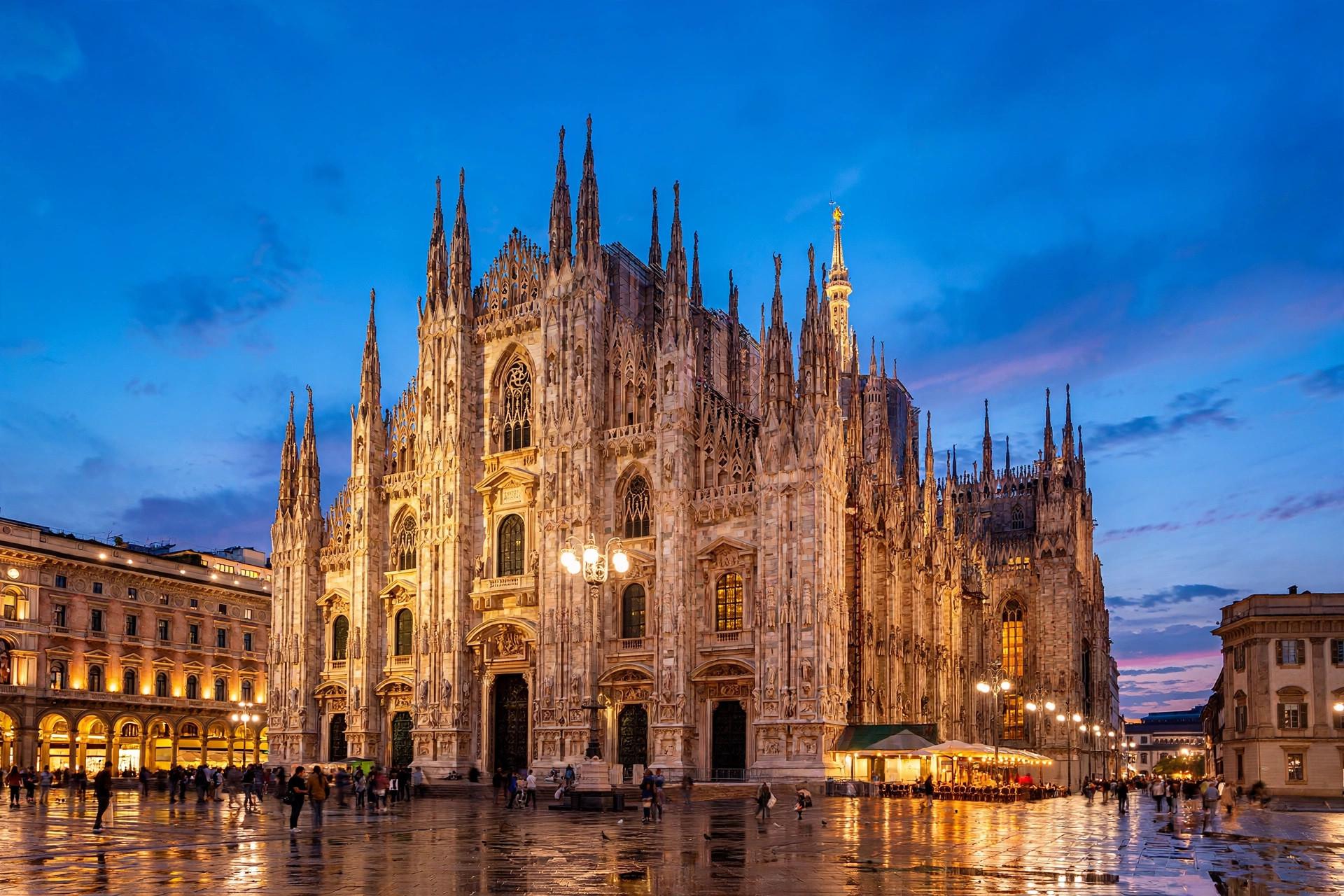
The Duomo terraces (the rooftop). The cathedral and the rooftop walk are separate experiences, and the rooftop — walking among the spires with the city spread below — is the better one. You can usually book a timed slot a day or two ahead, but midday and weekend slots go first. Book it once you know which day is your Duomo day; don’t assume you’ll just walk up at noon on a Saturday.
Everything else is flexible. The Castello Sforzesco’s courtyards are free to wander and need no planning; its museums are worthwhile but rarely sell out. The Pinacoteca di Brera, the city’s great art gallery, is a walk-in most days. The Navigli canals need no ticket at all — they’re a neighborhood, not an attraction.
The general principle: in Milan, scarcity is the exception, not the rule. Don’t build the whole trip around advance bookings the way you might in other cities.
Day 1: arrive, settle, and do exactly one thing well
Arrival day is where overpacking starts, so be deliberate. Assume you land around midday, reach the center an hour or so later — Malpensa is a proper journey from the city, so budget the better part of an hour each way — and have a hotel check-in and a nap-shaped hole in the afternoon.
Do one thing: walk the Duomo area in the late afternoon. See the cathedral from the piazza, drift through the Galleria Vittorio Emanuele II (the glass-vaulted arcade next door — free, stunning, and best appreciated without an agenda), and watch the light change on the square. Then head to the Navigli district for an aperitivo as the canals light up. That’s the whole day, and it’s a great one.
The catch to avoid: booking a timed entry for arrival afternoon. Flights slip, passport lines happen, and a non-refundable 3 p.m. slot you have to sprint to is the fastest way to start a trip stressed. Keep day one ticket-free.
If you’re still choosing flights around this plan, the arrival time matters more than the fare on a short break — a morning arrival buys you half a day, an evening arrival buys you a nap. Compare flight prices on Aviasales — our fare-tracking playbook covers how to time the booking side of that decision.
Sign up for monthly travel guides
Day 2: your anchor day — Last Supper in the morning, Brera in the afternoon
Day 2 is the day everything is open and your energy is highest, so this is where the headliner goes.
Morning: The Last Supper. Book the earliest slot you can — visits are strictly timed and you’ll be in and out in under an hour, leaving the rest of the day flexible. The mural sits at Santa Maria delle Grazie on the western edge of the center, which pairs naturally with the afternoon plan.
Afternoon: Brera. Walk or take a short tram ride to the Brera district — Milan’s old artists’ quarter, all cobblestones, galleries, and café terraces. The Pinacoteca di Brera is the city’s heavyweight art collection and a natural afternoon pairing: big enough to be worthwhile, small enough not to exhaust you. Then do as the Milanese do and let the afternoon dissolve into the neighborhood — this is the “being in the city” part of the trip.
The geography logic: Santa Maria delle Grazie, Brera, and the Castello Sforzesco sit in a loose cluster northwest of the Duomo. Doing them in one day means short hops instead of cross-city treks. If you have energy left, the Castello’s courtyards are free and lovely at golden hour — no ticket, no commitment.
Day 3: the Lake Como question
The classic third-day dilemma: day-trip to Lake Como, or stay in Milan? Here’s how to decide honestly.
Go to Como when the weather is good — this matters more than anything, because the lake in rain is just a wet boat ride — you enjoy slow scenic days, and you’re comfortable with the logistics. Trains from Milano Centrale reach Como town in well under an hour, but then come the choices: the funicular up to Brunate, the slow ferry to Bellagio. Each one eats time. Treat Como as a full-day commitment, not a half-day add-on.
The catch nobody states plainly: a Como day is mostly transit with scenery in between. The ferry to Bellagio is gorgeous and also slow; you’ll spend a large share of the day in motion. If that sounds like your idea of a perfect day, go — it genuinely is beautiful. If you’d rather be doing things, Milan will serve you better. And you’ll be buying ferry tickets and checking train times on your phone all day, so if you haven’t sorted mobile data yet, our eSIM vs. physical SIM guide walks through the cheapest way to stay connected in Italy.
Stay in Milan when the forecast is grey, you’re into design or fashion (the Fondazione Prada and the Quadrilatero della Moda are full-day-worthy), or you simply want a relaxed final day. A strong stay-in-the-city day: the Duomo rooftop in the morning (book those timed slots), lunch near Brera or Porta Venezia, and an unhurried afternoon in the Navigli or the Tortona design district.
Our judgment: for a first visit, Como is worth it once — but only in good weather, and only if you accept it as the whole day. A rainy-day Como trip squeezed in because “you’re supposed to” is the single most common regret of a Milan long weekend.
The pacing traps that wreck a 3-day trip
A few specific mistakes, so you can dodge them:
- Scheduling the headliner on departure day. Flights in and out of Milan — Malpensa especially — need generous buffers. A morning Last Supper slot followed by a mid-afternoon flight is a stress sandwich, not a plan.
- Skipping the lunch break. Milanese lunch culture is real and excellent, and a proper sit-down lunch is the cheapest reset button on your itinerary. The days that go wrong are the ones where you “grab something quick” at 3 p.m. and run out of steam by five.
- Underestimating evening energy. Milan comes alive at aperitivo hour — and if you’ve sprinted all day, you’ll be too tired to enjoy the city’s best hour. Pace the day so you’re fresh at 6 p.m., not finished.
- Trying to “see it all.” Three days in Milan is a tasting menu, not a buffet. The travelers who love Milan are the ones who did less and enjoyed it more.
TripBuddy may earn a commission if you buy through our links, at no extra cost to you.
Three days in Milan rewards the traveler who plans the rhythm, not the checklist. Lock in the Last Supper, anchor day two, decide on Como with the weather forecast in hand — then search flight options on TripBuddy and build the trip around the pace you want.
Want one practical, money-saving travel guide like this each week? Join the TripBuddy newsletter and get the next one first.
Last reviewed: September 14, 2026