
Land connected.
Make the eSIM-versus-physical-SIM decision before takeoff, with the device checks and data questions that prevent arrival-day surprises.
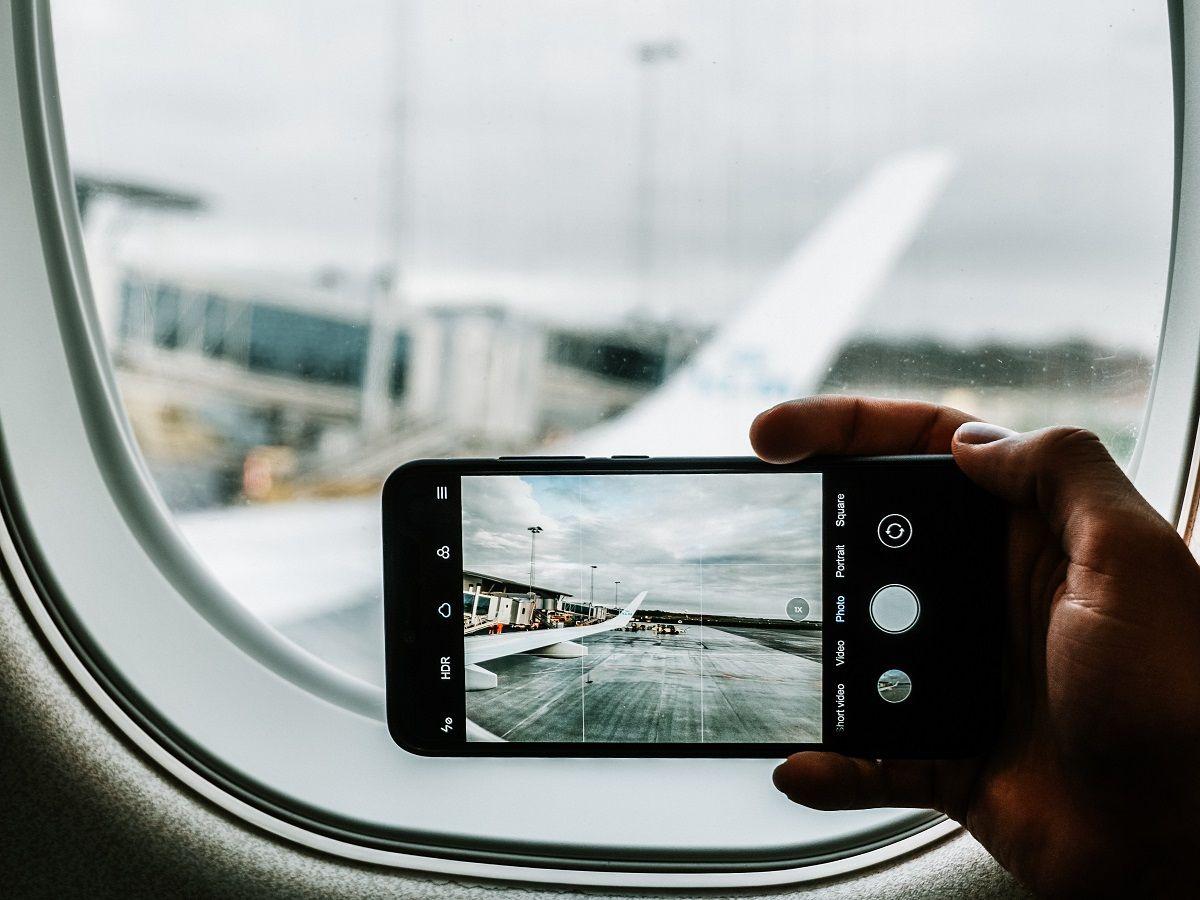
Start with the details that change the trip.
Focus on the practical details that affect cost, comfort, timing, and how smoothly the trip comes together.
Check your phone first
Confirm that the device is unlocked and supports the SIM format you want to use.
Estimate real data use
Maps, video calls, hotspot use, and streaming can change the plan you need.
Keep a backup path
Save activation details offline and know how you will connect if setup takes longer than expected.
Choose a connection that fits the way you travel.
The page explains the difference without pretending one option is always best. eSIMs can be convenient, while physical SIMs may still suit some devices, destinations, or longer stays.
- Unlocked-device status
- eSIM compatibility
- Coverage in each destination
- Hotspot and voice requirements
Know before you go.
Is an eSIM always better?
No. It can be faster to set up and easier for multi-country travel, but device support, local coverage, and plan terms still matter.
How much data do I need?
Light messaging and maps use much less than video, tethering, and uploads. Review your normal phone habits before choosing a plan.
When should I install an eSIM?
Follow the provider instructions. Many travelers install before departure, then activate the plan at the appropriate time for the destination.
Need a second set of eyes?
Bring the details together with advisor support built around your route, pace, and priorities.